

Our Answer
Through a combination of his oxygen requirement, LDH levels and CT of the chest. His nocturnal oxygen requirement was persistent, 2 hours below 91% in June though to September. Lactate dehydrogenase (LDH) is a marker of response to PAP treatment and his level was 3583 and remained very high. In his case however this is compounded by his metabolic condition. Repeat CT scans appeared to improve centrally but not definitively.
He was seen in September with no improvement in his respiratory status: increasing oxygen need between 0.25 to 1 L/min. He suffered from daily frequent coughing and vomiting: GJ pulled back to G tube in August with only temporary improvement. He had low grade fevers no different from the past year. On examination he had increased work of breathing with mild tracheal tug and intercostals indrawing. There were no audible crackles or wheezes. His SaO2 was 95% on 0.5L/min of oxygen. It was decided to wait another month to confirm the lack of response to GM-CSF and plan for repeat imaging.
He represented in September with an increased oxygen requirement and he was tachypneic. His nocturnal oxygen increased up to 2.5 L/min.
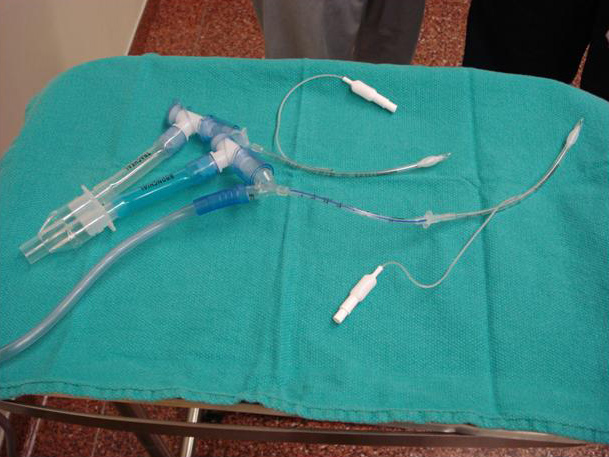 Figure 5a |
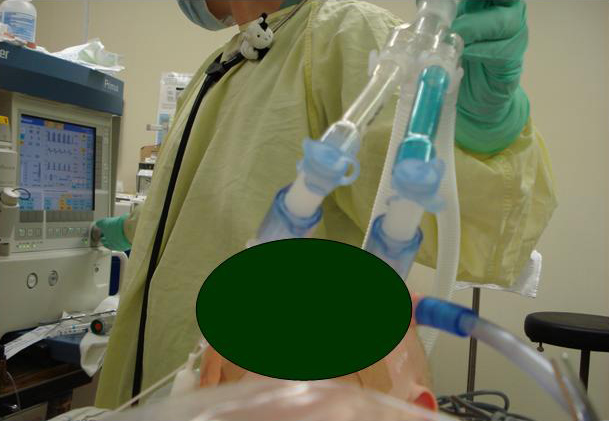 Figure 5b |
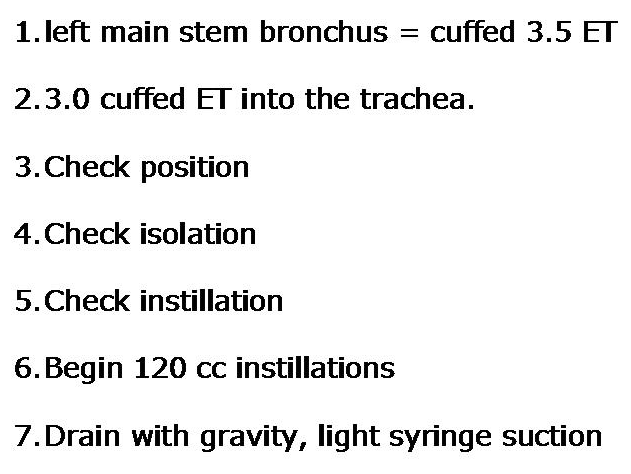 Figure 5c |
|
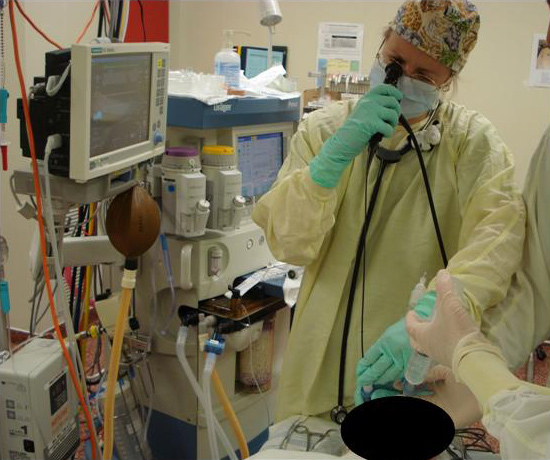 Figure 5d |
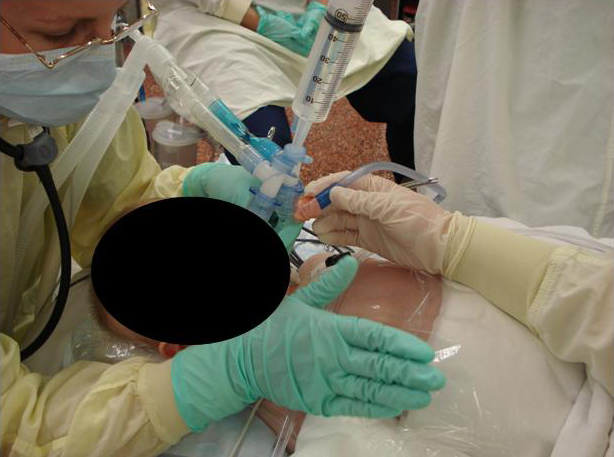 Figure 5e |
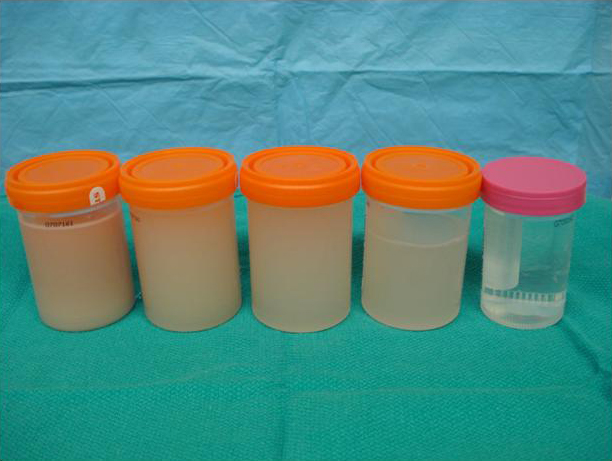 Figure 5f |
What would you do?
 Next page / / References